
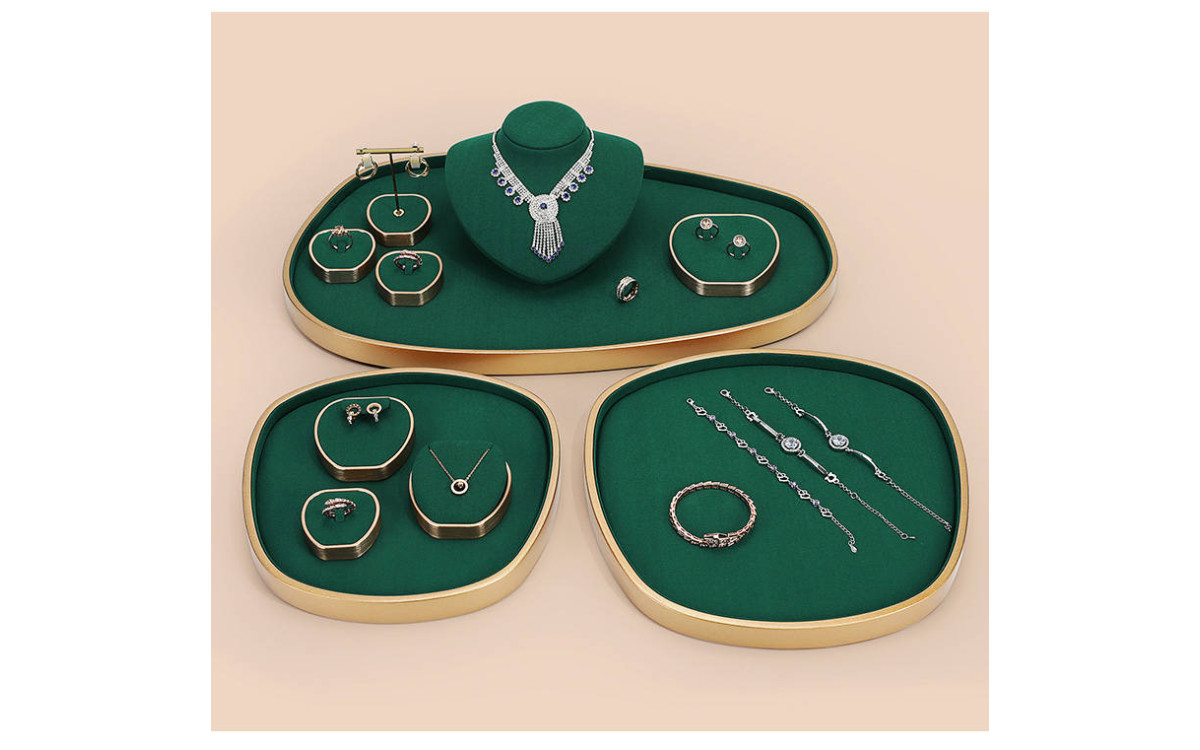

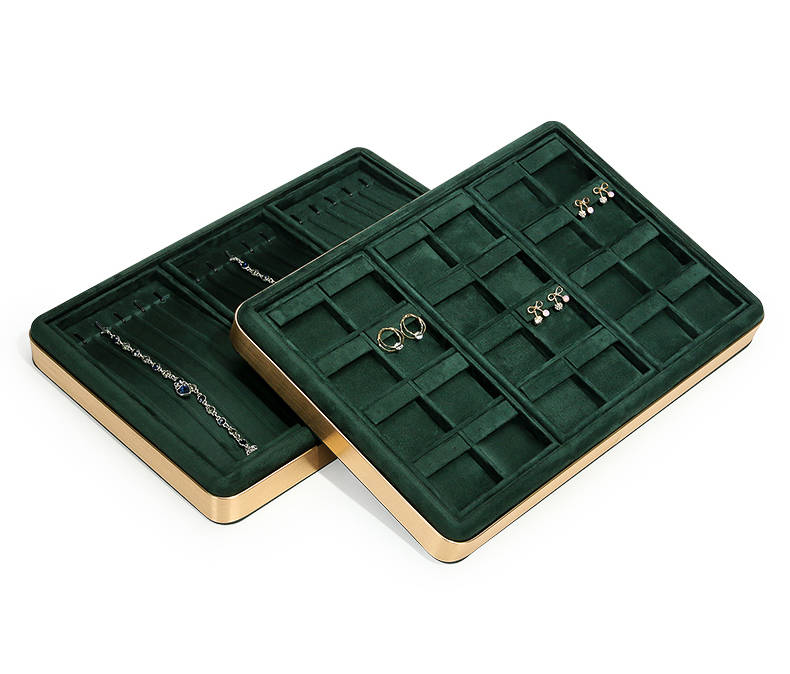
The jewelry display trays in your store aren't just a standalone element. They're a part of the visual story that you're telling. The colors of the tray should match your store's aesthetic, from wall paint and furniture to signage. This creates a seamless shopping experience. Your brand will be perceived as more polished and the jewelry will appear to be a natural extension. Here's a guide on how to match tray colors with common store styles. It also includes tips for blending the trays into key decor elements.
1. First, define your store's core aesthetic
Clarify your store's design style before choosing tray colors. The majority of boutiques, jewelry stores, and pop-ups fall into these categories. Each has a distinct color palette, as well as design principles, that will guide your tray choice.
2. Match Trays To Your Aesthetic - Style-by-Style guide
Use these recommendations to choose tray colors that complement, not compete with the design of your store. Each section contains tray materials and color combinations, as well as examples of how to integrate them with existing decor
A. Luxury shops thrive on exclusivity and elegance. Colors should be opulent, yet understated. Fine jewelry (diamonds and gold) can take the center stage.
- The best tray colors are black, cream, deep Burgundy or Navy.
- Ideal materials: Velvet for plushness, leather (for sleekness), and satin (for subtle sheen).
- How to Integrate?
- If you have marble countertops in your store and brass fixtures on the walls, choose a black velvet tray that has gold trim. The gold details will echo the brass fixtures while the black contrasts the light marble, making diamond jewelry stand out.
- Use cream leather trays in stores with cream walls, crystal chandeliers and cream leather trays. They will blend into the wall color while adding texture (leather grain) to the display.
- Avoid bright or neon colors. They can make a room look cheap.
B. Minimalist/Modern Stores
In minimalist stores, "less is more", so the colors of the trays should be neutral, clean and in line with a sleek, uncluttered appearance.
- The best tray colors are white, light gray matte black or soft beige.
- Ideal materials: Leather (for subtle texture), leatherette (for smoothness), or plastic (for simplicity).
- How to Integrate?
- Use white satin trays if your store has concrete countertops and white walls. They will blend in with the walls while reflecting light from the glass cases. This will highlight delicate silver jewelry.
- If you have gray walls with black metal shelving in your store, choose matte black plastic trays. The black will match the shelving and create a cohesive appearance that makes gold jewelry pop (light gold on dark trays is modern but not harsh).
- Avoid busy patterns or bright colors. They will disrupt the "calmness" of your space.
C. Bohemian/Earthy Stores
Bohemian shops feel organic and cozy. Tray colors should complement wood, macrame and earthy decor.
- Terracotta or olive green. Soft browns, cream, and soft browns are also good colors.
- Ideal materials: Satin for warmth, leather for rustic charm or even woven fabric (for texture).
- How to Integrate?
- Use terracotta-brown satin trays if your store sells reclaimed wooden tables and macrame hangings. The warm, orange-brown color will match the wood, while the softness of the satin will balance the rough texture.
- Pair olive green leather trays and beaded or nature inspired jewelry with stores that have rattan furniture and accent walls in olive green. The tray color will echo the walls to create a seamless transition from decor into display.
- Avoid cool-toned blacks and grays. They clash with the warm, earthy feel of the store.
D. Playful/Fashion-Forward Stores
Trend-driven stores have a vibrant, energetic atmosphere. The colors of the trays can be bright or pastel to add to this, without overshadowing the jewelry.
- The best tray colors are pastel pink, mint, lavender or metallic gold.
- Ideal materials: Satin for brightness, plastic (for affordability) or velvet (for bold pops colors).
- How to Integrate?
- Use pastel pink satin trays if your store features neon accents and pink walls with sequined pillows. They will match the color of the walls but soften it enough for colorful costume jewelry to stand out (e.g. blue enamel earrings).
- Metallic gold plastic trays are a great choice for stores with white walls, metallic gold fixtures and jewelry. The gold will echo the fixtures while the plastic is affordable for constantly updated, trendy collections.
- Avoid dull neutrals such as charcoal gray and dark brown. They drain the energy of the store.
E. Industrial Stores
Industrial shops lean on raw, edgy looks. Tray colors should complement exposed brick, metal and reclaimed wooden.
- The best tray colors are charcoal gray, black or natural wood tones.
- Ideal Materials: Faux leather, plastic or leather (for durability), and/or plastic (for industrial simplification).
- How to Integrate?
- Use charcoal gray leather trays if your store features exposed brick walls with black metal display racks. The gray will balance the warmth of the brick while the leather’s toughness will match the industrial feel.
- If you have a store with reclaimed wooden countertops and rust colored accents, choose faux leather trays in rust color. The rust tone will echo the decor accents while the faux-leather's smoothness contrasts against rough wood, highlighting statement jewelry.
- Avoid soft pastels and velvet. They feel too delicate in industrial spaces.
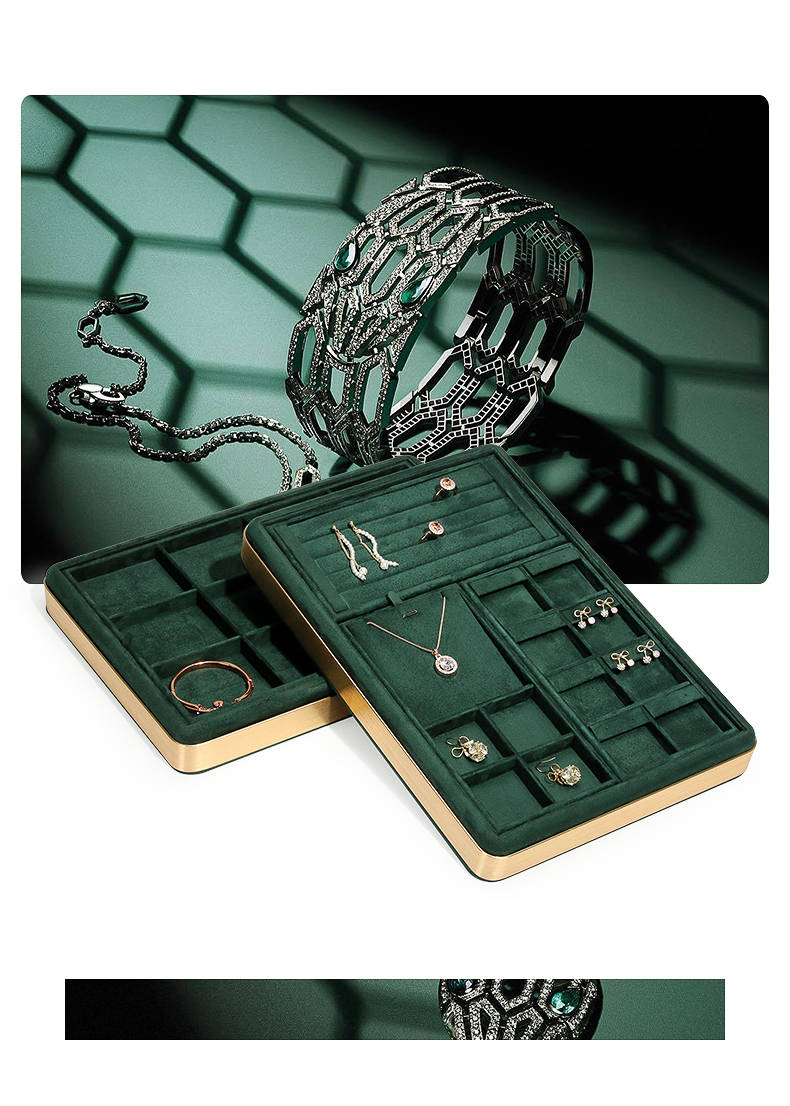
3. Balance Tray colors with key Store Elements
If it clashes badly with other decor elements, even the best tray color will feel wrong. These tips will help you ensure that trays blend with your walls, flooring and signage.
A.
- Light Walls:
- Avoid matching wall colors exactly. For example, white trays against white walls may look washed-out. Use black or dark trays to draw attention to jewelry instead of using soft beige on white walls.
- Dark Walls:
- Avoid dark trays by using neutral or light trays (light gray, cream). Cream leather trays against black walls, for example, brightens the display and keeps the sophisticated edge of the store.
B.
- Light Flooring (White Tiles, Light Wood)
- To create depth, pair with dark or mid-tone trays (grays, blacks) for a more dramatic look. Black velvet trays placed on light wood floors will draw attention to the jewelry instead of the floor.
- Dark flooring (Dark Wood or Black Tiles):
- To balance the darkness, use trays that are light or warm (terracotta, cream). Cream satin trays on dark wooden floors feel inviting and stop the display feeling gloomy.
C. Signage and Branding
- Trays can be customized to match the colors of your logo (e.g. gold, navy). You can use the following example:
- The navy satin tray with the gold trim reinforces a brand's recognition.
- Avoid using trays that are in conflict with your logo. For example, if your logo is neon pink, then a neon-green tray will be competing for customers' attention and confuse them.
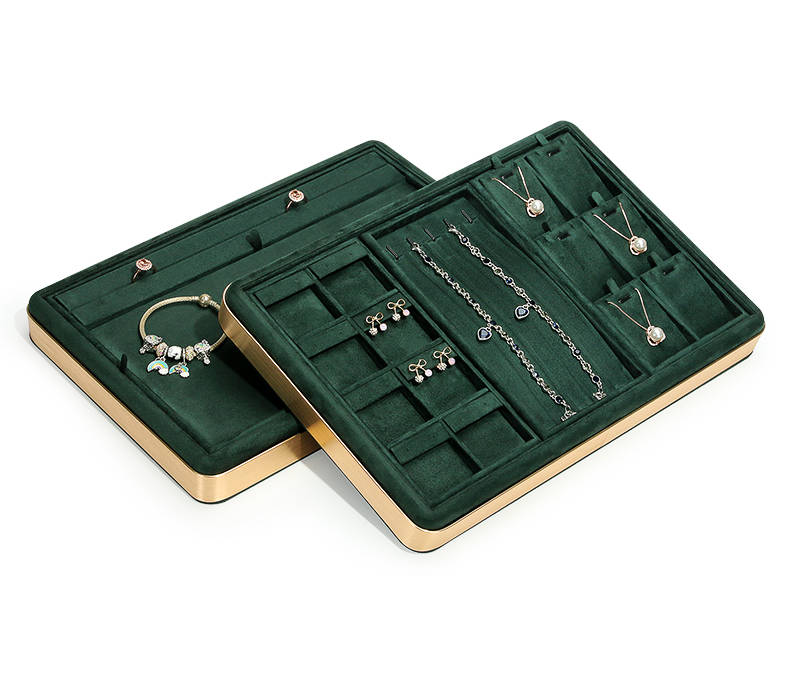
4. Quick Tips for Testing Cohesion
Test a sample tray in your store before committing to bulk trays to make sure it fits.
- View the tray at different times during the day. Natural light and artificial light can affect how colors appear.
- Ask a customer or a friend for feedback. Do they feel like a part of the store or are they a distraction?
- When you choose a tray, consider whether it enhances or detracts from the appearance of your jewelry.
Final Thoughts
It's about harmony when you match tray colors with your store's aesthetic. Trays should feel natural and not like an afterthought. You can create displays that are polished and unique to your brand by aligning jewelry display trays color with your aesthetic. They should be balanced with the walls and flooring and tested for cohesion. The best trays aren't just for holding jewelry, they tell the story of your store alongside it.


