
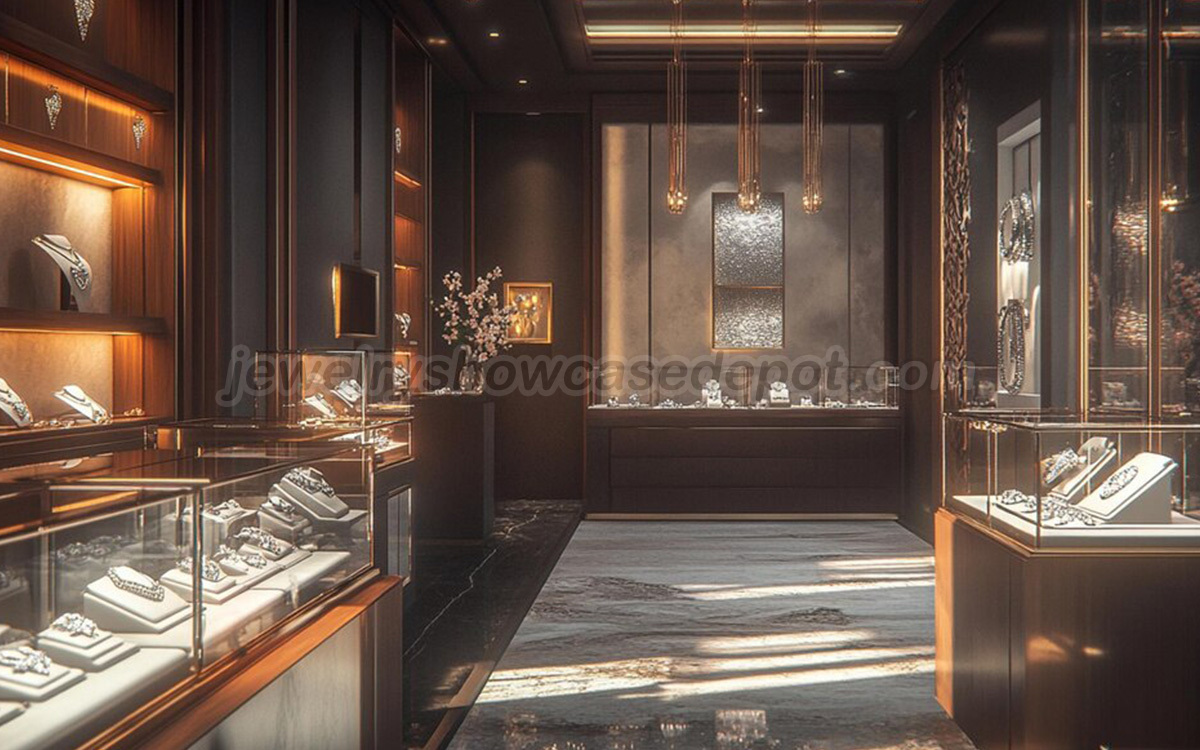

Tempered glass display cabinets often come with an expensive price tag due to a few key reasons: High-Quality Material Costs.

Glass as Base Material
Tempered glass starts its journey by choosing high - quality base glass, typically float glass. Production of float glass requires an intricate manufacturing process in order to obtain a perfectly flat and clear surface; raw materials for making it, such as silica sand, soda ash and limestone must be of utmost purity as even minute amounts of impurities such as iron oxide in the sand may alter its clarity or strength negatively; any impurity such as impurities may reduce visibility in high end display cases where crystal clear vision is crucial; production requires meticulous production processes in order to produce crystal- clear display cases where crystal clear visibility is key.
Cost of high-quality float glass may depend on factors like its thickness. Thicker glass requires both more raw materials and more energy for melting and shaping during production; hence a 10-millimeter thick sheet will cost significantly more than one that measures only 5 millimeters thick.
Tempering Process Costs
Tempering is what gives glass its enhanced strength. To do it properly, glass must first be heated to approximately 620degC (1150degF), and then rapidly cooled afterwards, creating internal stresses within it that increase strength. Specialized and costly equipment is needed for this process - large tempering furnaces for accommodating different sizes of sheets must maintain precise temperature control at all times, not only being costly to purchase but also using significant energy consumption during operation.
Cooling systems, also an integral component of tempering processes, also add to costs. High - pressure air nozzles are used to evenly cool glass panels during tempering processes; designing and maintaining this cooling system are essential in creating consistently high quality tempered glass panels. Furthermore, this process has an exceptionally high failure rate; any uneven heating or cooling could cause glass sheets to crack or shatter during tempering process and thus increase cost per successful panel produced.
Ultimately Complex Manufacturing and Processing may increase overall costs significantly
Precision Glass Cutting and Shaping
Once glass has been tempered, its cutting becomes much more difficult. While regular glass can be cut quickly using a regular glass cutter, tempered glass requires special diamond-tipped cutting tools. Even then, this time consuming and skill intensive process takes its time in cutting precise shapes; failure to do it right could shatter it altogether! When designing display cabinets featuring multiple angled glass panels or intricate shapes each cut must be planned meticulously in order not to shatter it and shatter. Labor costs and wear and tear add up significantly - leading to additional expenses when cutting precise cuts are performed meticulously over time and wear and tear on tools add up overall costs that add up over time compared with using regular glass.
Edge Treatment
Tempered glass display cabinets require proper edge treatment in order to remain safe and visually appealing. Sharp edges pose both a potential safety hazard, and also detract from their aesthetic appeal. The edge treatment process typically entails grinding and polishing edges until they become smooth and rounded - this process typically requires skilled workers with special equipment and may take several hours and costs considerably more when polished to mirror-like perfection; beveled edges add even further complexity and expense when added as design requirements.
Assembling and Installing
Achieve smooth assembly of a tempered glass display cabinet can be an intricate and daunting process due to its weight and fragility, so care must be taken when handling this material. Specialist hardware is frequently employed for this task - often stainless - steel brackets or hinges which may cost more than standard counterparts found elsewhere are frequently utilized as structural members in these cabinets.
Installation of tempered glass display cabinets also requires expertise. Professional installers should be hired to ensure the cabinets are installed correctly in commercial or high-end residential settings, taking into account factors like weight distribution, stability of surfaces on which it will sit, environmental considerations that might alter its lifecycle as well as time taken to install properly into consideration when setting prices for cabinet installations. Cost and time factors into overall price of hiring professional installers as part of overall package price; for enhanced durability and safety features you could include features such as enhanced durability/safety features; enhanced Durability/Safety Features and overall
Price Calculations
Tempered glass is widely known for its strength and impact resistance. It can withstand much higher levels of stress and impact than regular glass, making it the perfect material to protect valuable items on display cabinets like jewelry stores or shops with valuable items for sale from accidental knocks and bumps. Furthermore, due to the added durability, display cabinets last longer which justifies their higher initial costs; however achieving such strength requires advanced manufacturing technologies as well as high-grade materials which also add to this cost.
Tempered Glass Offers Additional Safety
Tempered glass breaks into smaller, less hazardous pieces than regular glass when it shatters, providing added safety in public places or environments where there is risk of breaking glass such as museums where display cases could potentially be knocked over accidentally and injured visitors may enter; its added cost reflected in display cabinet pricing;
Customization and Design Considerations
Many tempered glass display cabinets are tailor-made to fit specific spaces or exhibit unique items, while custom-sized cabinets may be necessary to fit irregularly shaped rooms or to display larger or odder objects. Producing custom - made tempered glass panels requires additional cutting, shaping, and quality control measures in addition to meticulous measuring and fabrication processes; creating these customized displays requires more time and expense than creating standard-sized ones.
Display cabinets may feature special features like built-in lighting, locking mechanisms or climate-control systems to make them even more desirable. Built-in lighting is an effective way to amplify visibility of items displayed, but requires installing electrical components which increase complexity and cost of cabinets. Superior quality locking mechanisms can provide valuable items with increased protection, although their cost may be significant. Climate - control systems may be integrated into display cabinets to maintain a specific temperature and humidity level, making delicate items like artworks or antiques easier to display. Unfortunately, such advanced features increase significantly the cost of owning such an expensive tempered glass display cabinet.
Brand and Quality Reputation
Reputation for Quality
Well - known brands of tempered glass display cabinets tend to use only top quality materials and manufacturing processes in their products, investing heavily in research and development to stay at the top of their field and keep a competitive advantage. Consumers are willing to pay extra for the security that accompanies an established brand. Example: An established brand known for producing durable and high - quality display cabinets will command a higher price compared to less well - known competitors, due to their reputation being built over years of consistent performance which translates into their products' prices.
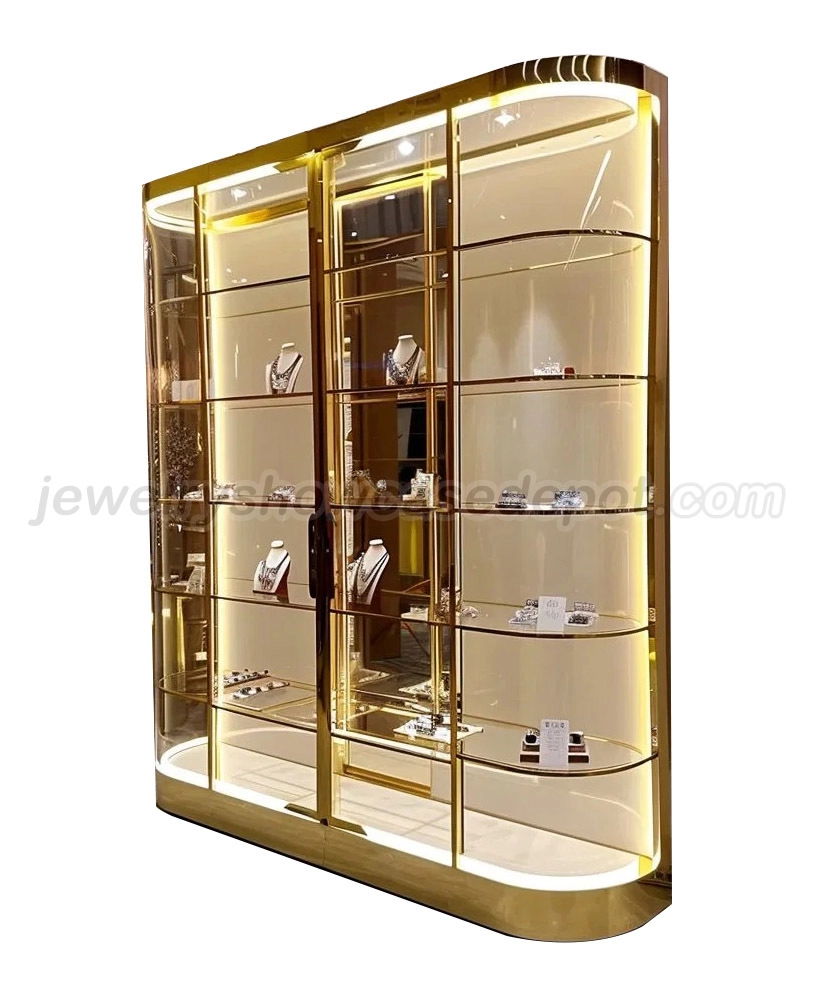
Brands offering superior after-sales service also tend to charge more for their tempered glass display cabinets, including services such as warranty coverage, repairs or replacement of damaged parts, technical support, and warranty renewal coverage. An extended warranty provides customers with peace of mind knowing that should something go wrong with the cabinet, repairs will not come at full cost; companies offering top tier after sales service must factor these costs when setting their product prices, which in turn contributes to higher display cabinet prices.
In summary, the high cost of tempered glass display cases stems from a variety of factors, including materials, manufacturing process, functionality, customization, and brand reputation. While the initial investment may be significant, the long-term benefits of tempered glass display cases, such as durability, security, and aesthetics, often make them an ideal choice for those looking to display valuable items.


